Systems
Models matter, but so do infrastructure, interfaces, governance, and the people responsible for decisions.
Building Engineering researcher, applied AI practitioner, and founder of Le Laboratoire Kalkin.
gauraangmalik1@gmail.comWhatsApp · +1 514 577 0030LinkedIn profileMontréal, Québec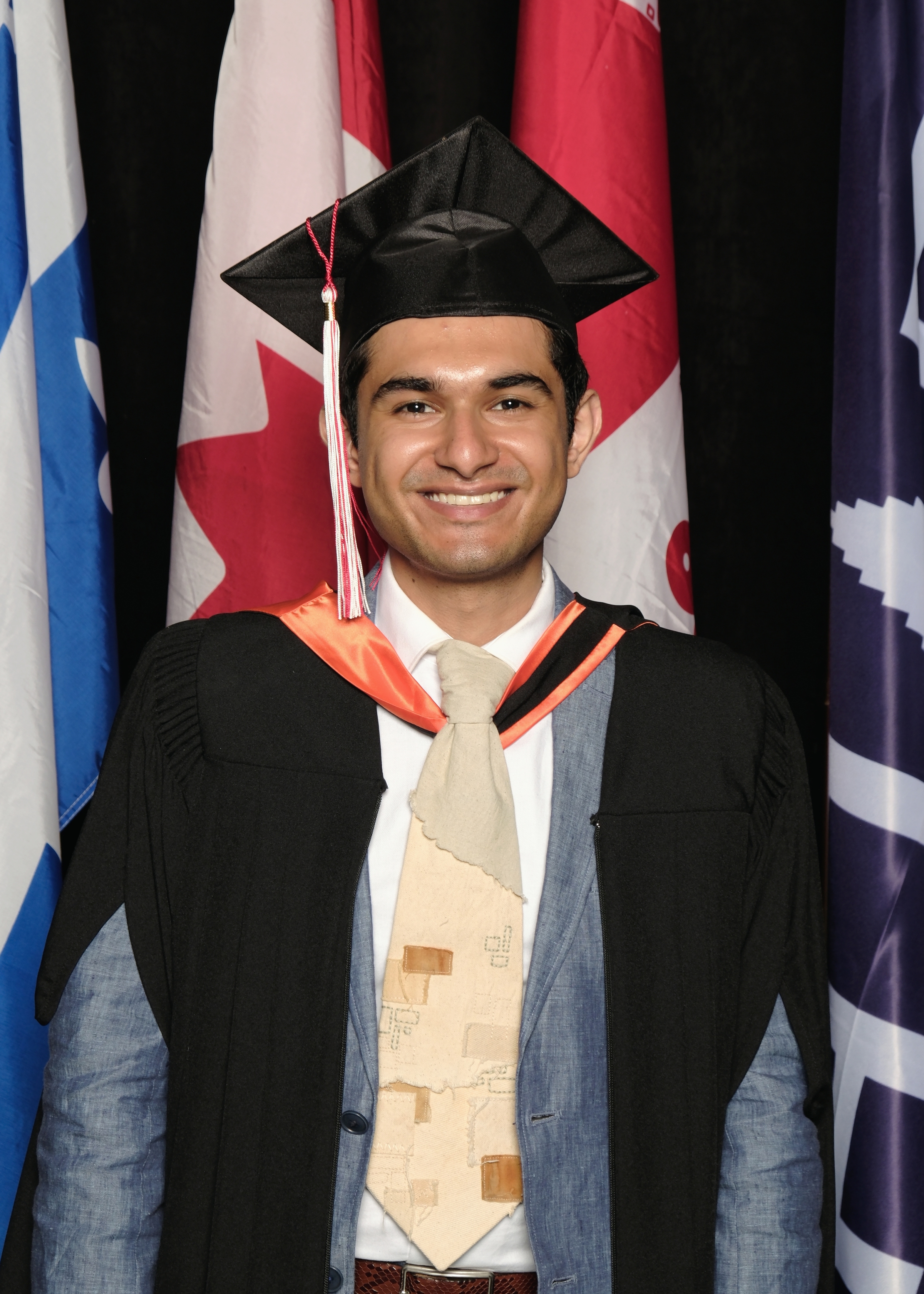
Gauraang is pursuing a PhD in Building Engineering at Concordia University after completing a Master of Information Studies at McGill University in 2025. His current work explores machine learning and AI for energy questions in the built environment.
Alongside that research, he prototypes multi-agent language-model systems, studies how response spaces can help evaluate agreement and hallucination, and builds interactive tools that make technical ideas easier to inspect.
Boundary: research statements here describe an active program of work, not settled conclusions. Findings should be judged through methods, data, and reproducible evidence.
Models matter, but so do infrastructure, interfaces, governance, and the people responsible for decisions.
Buildings turn computation into material questions about energy, comfort, resilience, and lifecycle impact.
Research communication makes assumptions visible and gives collaborators something concrete to question.
These principles guide project selection. They are a personal orientation, not empirical proof.
At Le Laboratoire Kalkin, Gauraang works across applied machine learning, artificial intelligence, and software development. Past domains include agriculture through Bioponix, legal technology, fitness, financial forecasting, and information systems.
His earlier market-research project-management work informs a practical approach: define the question, track evidence, communicate uncertainty, and keep delivery constraints visible.
Music and astrology are creative spaces for exploring pattern, narrative, symbolism, and interface design. They can suggest metaphors and questions that make technical work feel more human.
Boundary: astrology is treated here as culture and creative inquiry, not scientific evidence. Creative work does not substitute for validation in building engineering or AI research.
Three public-science voices influence how Gauraang thinks about curiosity, scale, dialogue, and clear explanation. They are creative influences, not technical sources for the research.
Python, TensorFlow, PyTorch, Scikit-Learn, Keras, pandas, NumPy, FAISS, RAG, local-model systems.
SQL, PostgreSQL, Supabase, Tableau, research design, evaluation, information architecture, dashboards.
Scope and schedule planning, risk management, Agile practices, budget control, stakeholder engagement, quality assurance.
JavaScript, HTML, CSS, PHP, R, C++, web development, API integration, technical prototyping.
Open to collaborations that value evidence, useful prototypes, and honest boundaries.